

Pilgrim Hot Springs is a remote geothermal oasis located about 74 miles north of Nome, Alaska. Travelers who enjoy off-grid wilderness soaking often pair this trip with a visit to Serpentine Hot Springs, another remote geothermal site west of the Arctic Circle. For a full overview of geothermal spots across the state, see our complete Alaska Hot Springs guide.
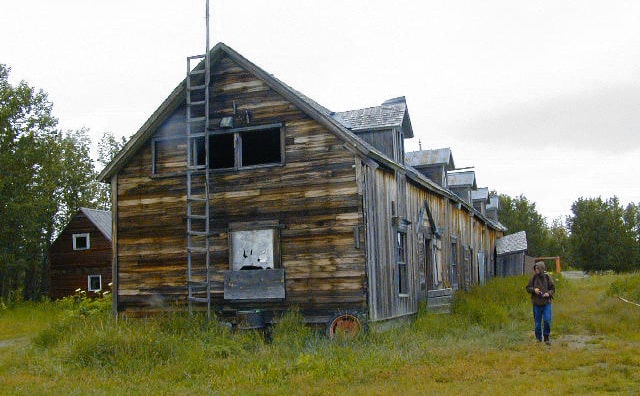
Known for its natural hot springs, historic ruins, and stunning tundra landscapes, the site offers visitors a mix of relaxation and a glimpse into Alaska’s past. Scattered around are the remains of a former Catholic orphanage along with natural soaking ponds where visitors can bathe. The atmosphere feels both mystical and adventurous – a place where history, nature, and serenity meet.

Jump to:
What Should You Know Before Going to Pilgrim Hot Springs
Pilgrim Hot Springs is not the kind of place where you will find a resort full of services. Instead, you will find natural soaking ponds where the water emerges at about 122 to 131 °F (50 to 55 °C) and cools to a comfortable 100 to 112 °F (38 to 44 °C) in the pools. The springs are surrounded by the remains of an old Catholic orphanage, giving the area a unique atmosphere where history blends with wilderness.
Entry is only allowed with a free permit, which you can obtain either online via the official website or in person at the Nome Visitor Center, the Aurora Inn, or the Bering Straits Native Corporation office. There is no reception or staff on-site, so you have to bring everything you need. You will not find restaurants, shops, or lodging here. The experience is fully wild — similar to the backcountry atmosphere at Tolovana Hot Springs near Fairbanks, where visitors also bring all supplies and navigate remote terrain.
Visitors come because the place is remote, quiet, and authentic. Just follow a few simple rules: no alcohol, no glass, and respect for both nature and the historic buildings. This way, you can fully enjoy the peace and magic of untouched Alaska.
How to Get to Pilgrim Hot Springs
How to Get to Pilgrim Hot Springs By Road
Pilgrim Hot Springs is only accessible by road during the summer months (June–September). Visitors must take the Kougarok Road from Nome, which stretches about 68 miles to reach the site. The road is mostly gravel and dirt, so a high-clearance vehicle is recommended, especially after rain. Travelers should always check road conditions before departing, as weather can change quickly.
In winter, however, the gate is locked, and cars cannot go any further. Access is only possible by snowmachine, dog team, skis, snowshoes, fat bike, or helicopter. It’s a true backcountry journey, and traveling with a group is strongly recommended.
There are no gas stations or stores along the road from Nome, so you need to bring all supplies and fuel with you. The same level of preparation is essential when visiting Kanuti Hot Springs, another remote site where visitors must be fully self-sufficient.
Best Time to Visit Pilgrim Hot Springs
You can visit Pilgrim Hot Springs year-round, but the experience is very different depending on the season.
Summer (June 25 – September 28) is by far the best time for most visitors — and it’s also the ideal season to explore other geothermal destinations featured in our roundup of the best Alaska hot springs. The road is officially open, you can drive in by car, and the hot ponds sit in the middle of a lush green tundra oasis. This is the safest and most accessible period to enjoy the springs without major complications.
Winter offers a completely different mood – silence, snow, and the thrill of soaking in steaming water surrounded by ice. But it is a challenging backcountry experience, suitable only for seasoned adventurers who know how to travel in Arctic conditions. The gate is locked, the water temperature is not guaranteed, and the only way in is by snowmachine, dog team, skis, or helicopter.
Spring and fall are highly unpredictable, with unstable weather and difficult travel, which is why they are generally not recommended.
Pilgrim Hot Springs: Opening Hours & Entry Costs
For the 2025 summer season, the official hours are June 25 – September 28, open daily from 10:00 am to 10:00 pm. The site is closed on Tuesdays. After 10 pm, access is limited to overnight guests with reservations.
The best part is that there is no entry fee – you only need a free day-use permit, which you can obtain online or in Nome. This way, the springs remain open to everyone while preserving their peace and authenticity.
Outside of the summer season (June 25 – September 28), the gate at Pilgrim Hot Springs is locked, and you cannot drive in by car. That doesn’t mean the site is completely closed, though. With a valid permit, you can still visit in winter – but only at your own risk.
Reaching the springs in winter is a true adventure. People use snowmachines, dog teams, skis, snowshoes, or fat bikes to get there. Helicopter access is also possible for those who can arrange it. There is no staff on-site in winter, and the water temperature is not guaranteed, so you need to be prepared for unpredictable conditions.
For safety, it’s strongly recommended to travel in a group, ideally with someone who knows the area, and always let others know your plan and return time. A winter visit to Pilgrim Hot Springs is therefore more of a backcountry adventure for experienced travelers than a comfortable hot springs outing.
For more information, please check the official website.
Where to Stay Near Pilgrim Hot Springs
Pilgrim Hot Springs offers on-site accommodations for those looking to stay close to the springs. Visitors can rent cabins or camp in designated areas.
The cabins are simple wooden shelters with no electricity or running water, furnished with only the basics and heated by wood stoves. This gives the place a truly wild atmosphere – you light the stove at night, listen to the wind sweeping over the tundra, and step out in the morning straight to the steaming hot ponds. It’s the perfect choice for those who want to experience remoteness and quiet. Reservations are required, and space is limited, so planning ahead is essential.
If you prefer comfort and services, the best base is the town of Nome, about 74.3 miles away. Nome is a coastal community with a rich gold rush history, a harbor on the Bering Sea, and a unique end-of-the-road feel. Besides museums and galleries, it offers several hotels that provide a convenient base before or after your wilderness adventure.
Recommended stays nearby Pilgrim Hot Springs
Aurora Inn & Suites
A classic choice for travelers who want comfort in the heart of Nome. Located right on Front Street, just steps from the Bering Sea, this hotel offers spacious, bright, and clean rooms, some equipped with a kitchenette. Guests appreciate the small wellness touches – a sauna and a modest fitness room – which are a welcome treat after a long day exploring. A free airport shuttle makes arrival easy, and the friendly atmosphere combined with a central location makes this hotel ideal for walking to museums, shops, and restaurants.
Noxapaga Suites
For a more modern and private stay, Noxapaga Suites is an excellent option. These are fully equipped apartments with a kitchen, washer and dryer, smart TV, and reliable Wi-Fi, perfect for longer stays. The interiors are decorated with attention to detail, striking a balance between modern style and cozy comfort. Reviews highlight the spotless cleanliness, quiet surroundings, and helpful hosts.
You can explore more nearby accommodations and book directly through the interactive map below:
What to Do Near Pilgrim Hot Springs
Pilgrim Hot Springs offers more than just soaking in its geothermal pools. Visitors can explore the surrounding area and take part in several unique activities:
Explore Historic Structures
Wander through the remnants of early 20th-century buildings, including a two-story church and orphanage facilities. These structures provide a tangible connection to the area’s past, making it a great spot for history lovers.
Visit the On-Site Garden
Pilgrim Hot Springs features a revitalized garden that takes advantage of geothermal warmth, allowing for early planting. The garden is part of an initiative to support local food production and sustainability efforts.
Birdwatching & Wildlife Viewing
The hot springs are surrounded by an active ecosystem, making it a fantastic spot for birdwatching. Species like sandhill cranes, American golden plovers, and northern wheatears frequent the area. Visitors may also spot moose, foxes, and other Alaskan wildlife.
Hiking & Nature Walks
The landscape around Alaska’s hot springs features grassy meadows, birch trees, and cottonwood groves, offering a scenic setting for hiking and nature walks. Trails around the site provide stunning views of the surrounding mountain ranges and tundra.
Photography
With historic ruins, dramatic tundra scenery, and distant mountains, Pilgrim Hot Springs offers incredible opportunities for photographers. The unique blend of abandoned buildings and vibrant landscapes makes for striking images.