

Hidden deep within the lush temperate rainforest of southeast Alaska, Chief Shakes Hot Springs is one of those rare places where the wild feels untouched and perfectly still. Surrounded by moss-draped trees, mist, and the quiet rush of nearby streams, these natural hot springs offer a tranquil escape for travelers seeking warmth in the heart of Alaska’s wilderness.
Jump to:
What Should You Know Before Going Chief Shakes Hot Springs
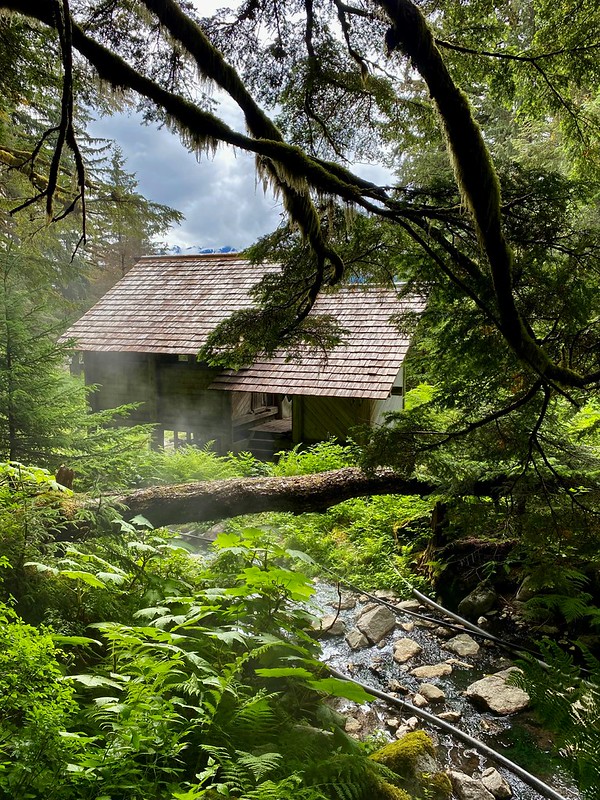
Chief Shakes Hot Springs isn’t a resort — it’s a true wilderness experience. The site is maintained by the U.S. Forest Service and includes two circular redwood tubs, one enclosed and one open-air, each constantly fed by natural geothermal water. The temperature at the source reaches about 140°F (60°C), but the water is cooled to around 105–108°F (40–42°C) before entering the tubs, creating the perfect soaking temperature for long, relaxing dips.
There are basic facilities only: a small changing area, wooden benches, and an outhouse nearby. There’s no electricity, running water, or staff on-site, and overnight stays are not allowed — the springs are strictly for day use. This simplicity, however, is part of the magic. The tubs sit quietly among ferns and trees, surrounded by rainforest mist, offering a sense of peace that’s hard to find anywhere else.
Visitors need to bring everything they might need — swimwear, towels, water, and food — as there are no shops or services nearby. The area is clean and carefully preserved, so it’s important to pack out all trash and leave the site as untouched as you found it.
Chief Shakes Hot Springs is perfect for travelers seeking solitude, nature, and authenticity — a place to soak not just in hot water, but in the true stillness of Alaska’s wilderness.
How to Get to Chief Shakes Hot Springs
Reaching Chief Shakes Hot Springs is an adventure through some of Alaska’s most untouched wilderness. The springs are located about 28 miles (45 kilometers) northeast of Wrangell, and can only be accessed by boat or floatplane.
Most visitors begin their trip in Wrangell, a small port town on the Inside Passage. From there, you’ll travel upriver along the Stikine River for roughly 1.5 to 2 hours by boat, depending on current and weather conditions. The journey winds through misty fjords, surrounded by forested mountains and waterfalls that tumble into the river — it’s one of the most scenic routes in southeast Alaska.
Once your boat or floatplane reaches Hot Springs Slough, a narrow offshoot of the Stikine, you’ll follow a short 0.3-mile (0.5 km) wooden boardwalk and trail to the soaking area. The path is flat and well maintained by the Forest Service, leading directly to the two redwood tubs hidden in the forest.
Because access depends heavily on tides, river depth, and weather, it’s best to visit between late May and early September. Guided tours and boat charters from Wrangell are available throughout summer and are the safest and easiest way to reach the springs.
The area is remote, so be prepared: there’s no cell service, food, or emergency help nearby. Bring layers, waterproof clothing, and all essentials with you — the wilderness here is as real as it gets.
Best Time to Visit Chief Shakes Hot Springs
Chief Shakes Hot Springs can technically be visited year-round, but the best and safest time to go is during the summer months from late May to early September. During this period, the Stikine River is ice-free, boat access is reliable, and the weather is mild by Alaskan standards. Long daylight hours make it possible to travel upriver, soak in the tubs, and return to Wrangell all in the same day.
In June and July, the forest around the springs is at its most vibrant — lush, green, and filled with birdsong. The riverbanks are alive with eagles, moose, and the occasional bear sighting in the distance. It’s also the season when most guided tours operate, making access easy even for those unfamiliar with Alaska’s waterways.
Spring and autumn visits are possible but more unpredictable. Water levels fluctuate, weather changes quickly, and fog can reduce visibility on the river. These shoulder seasons, however, offer unmatched tranquility — fewer boats, cooler air, and often the rare chance to have the springs completely to yourself.
Visiting in winter is only for the most experienced adventurers, as river access becomes difficult and temperatures drop well below freezing. Still, soaking in steaming water while snow falls through the rainforest canopy is an experience few will ever forget.
Opening Hours and Entry Costs at Chief Shakes Hot Springs
Chief Shakes Hot Springs is managed by the U.S. Forest Service and open for day use only. There is no entrance fee, no reservations, and no staff on-site — visitors are welcome to soak freely, following a first-come, first-served principle. The site is small and simple, so only a few groups can use the tubs at one time, keeping the atmosphere quiet and respectful.
Although the springs are accessible year-round, they are not maintained during winter months, so visiting outside the main season requires extra preparation. During summer, most visitors arrive between morning and late afternoon, often combining their soak with a river tour or a short wilderness hike nearby.
There are no time limits on soaking, but visitors are encouraged to keep their stay considerate to others, as the tubs can get busy on weekends. The facilities — changing shelter, outhouse, and wooden decking — are all free to use, maintained through Forest Service efforts and the cooperation of respectful travelers who pack out all their trash.
Where to stay nearby Chief Shakes Hot Springs
Because Chief Shakes Hot Springs lies deep in the wilderness, there are no accommodations on-site — the nearest base for visiting Chief Shakes Hot Springs is the small Alaskan town of Wrangell, located on Wrangell Island along the famous Inside Passage. Despite its size, Wrangell has everything you need before heading into the wilderness — a picturesque harbor, local cafés and seafood restaurants, and several friendly lodges overlooking the ocean. It’s also home to local tour operators who organize boat and floatplane trips to the hot springs during summer.
You can explore and book more nearby stays directly through the interactive map below:
What to do nearby Chief Shakes Hot Springs
The area around Chief Shakes Hot Springs is perfect for anyone who loves the raw and untouched wilderness of Alaska. The springs are located deep within the Tongass National Forest, which gives the entire surroundings a quiet, remote and peaceful atmosphere. Most activities here revolve around water travel, since many places are accessible only by boat. Most visitors begin their trip in Wrangell, taking a scenic boat ride up the Stikine River. The journey itself is a highlight, offering views of glaciers, forested mountains and wide river valleys that define southeastern Alaska.
Once you arrive, you can take short boardwalk trails around the springs and wander through the forest that surrounds the area. This region is known for frequent wildlife sightings including bald eagles, moose and occasionally black bears, so even a simple walk becomes memorable. Photographers love the early morning when mist rises over the water and creates that iconic Alaska mood.
Wrangell also offers several worthwhile activities. One of the most famous is Petroglyph Beach, home to some of the oldest rock carvings in Alaska. You can also hike to Mount Dewey, a short but rewarding trail that overlooks the town and surrounding fjords. Local guides offer boat trips to Shakes Glacier, located a short distance upriver, and it is considered one of the most beautiful glaciers in the area.
The entire region around Chief Shakes Hot Springs is perfect for travelers who want to combine hot springs relaxation with real Alaskan adventure.
Other springs nearby Chief Shakes Hot Springs
Several beautiful hot springs can be combined with a visit to Chief Shakes Hot Springs in southeastern Alaska. Shelokum Hot Springs is one of the closest and most remote options, located deep within the Tongass National Forest. It is typically reached by boat followed by a short scenic walk through dense forest, offering a quiet and natural setting.
Another well known spot is Goddard Hot Springs, one of the oldest and most iconic hot springs in the region. Located near Sitka, it is usually accessed by boat or floatplane. The rustic wooden tubs filled with natural hot water create an experience that feels truly Alaskan.
Baranof Warm Springs is also a popular destination, situated on Baranof Island with views of a dramatic waterfall and forested coastline. Visitors can enjoy small wooden bathhouses, warm mineral water and short hikes around the surrounding wilderness. It is typically reached by boat and often combined with scenic trips through nearby fjords.